
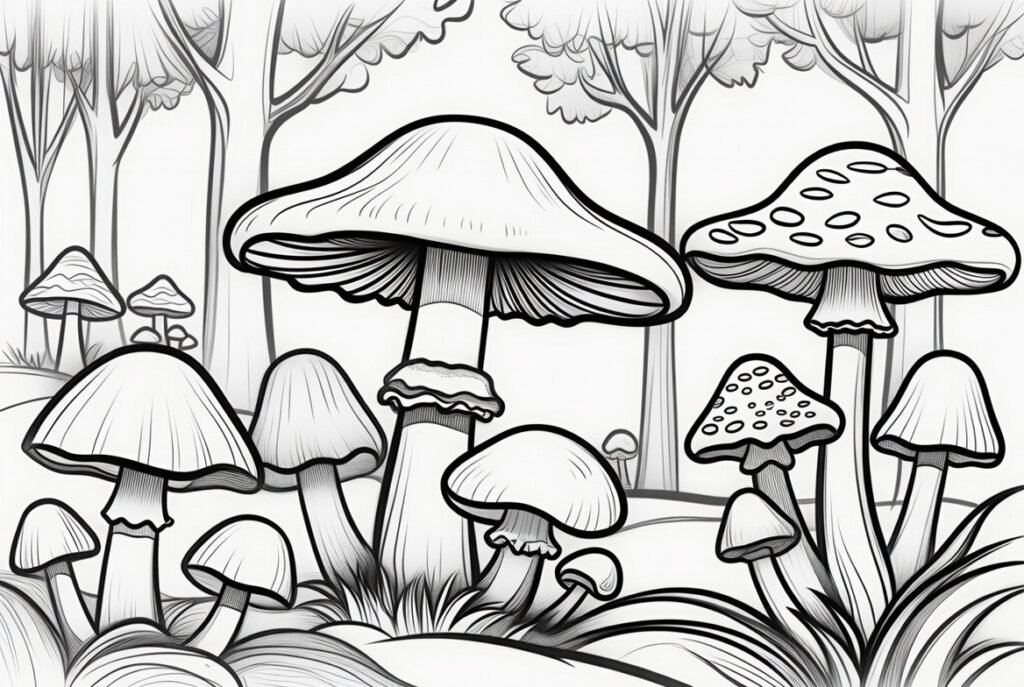
Why So Many Adults Turn to Nature Coloring
Stress has become a constant part of modern life.
Long hours, screens, notifications, and mental overload leave many people searching for simple, accessible ways to relax. One practice that has quietly grown in popularity is coloring nature scenes, especially forests, animals, and mushrooms.
This article explores why coloring nature scenes is so effective for stress relief, how it works on the mind and body, and why mushrooms and forest imagery are particularly calming.
What Happens in the Brain When You Color
Coloring is not just a creative hobby—it directly affects the nervous system.
When you color:
-
The brain shifts from analytical thinking to focused attention
-
Breathing naturally slows down
-
Muscle tension decreases
-
Stress hormones are reduced
This state is often described as “gentle focus” or flow, where the mind stays present without pressure. Nature scenes enhance this effect by adding familiar, non-threatening patterns.
Why Nature Imagery Is Especially Effective
Not all coloring subjects have the same effect.
Nature scenes—especially forests—are calming because the human brain evolved in natural environments. Visual elements like:
-
Trees and leaves
-
Mushrooms and forest floors
-
Animals and organic textures
Signal safety and familiarity to the nervous system. This reduces mental alertness and supports relaxation.
Coloring artificial or chaotic designs can still be enjoyable, but nature-based imagery consistently lowers stress more effectively.
Why Mushrooms Are Ideal for Relaxation
Mushrooms are especially well-suited for mindful coloring.
They feature:
-
Soft, rounded shapes
-
Repeating natural patterns
-
Balanced proportions
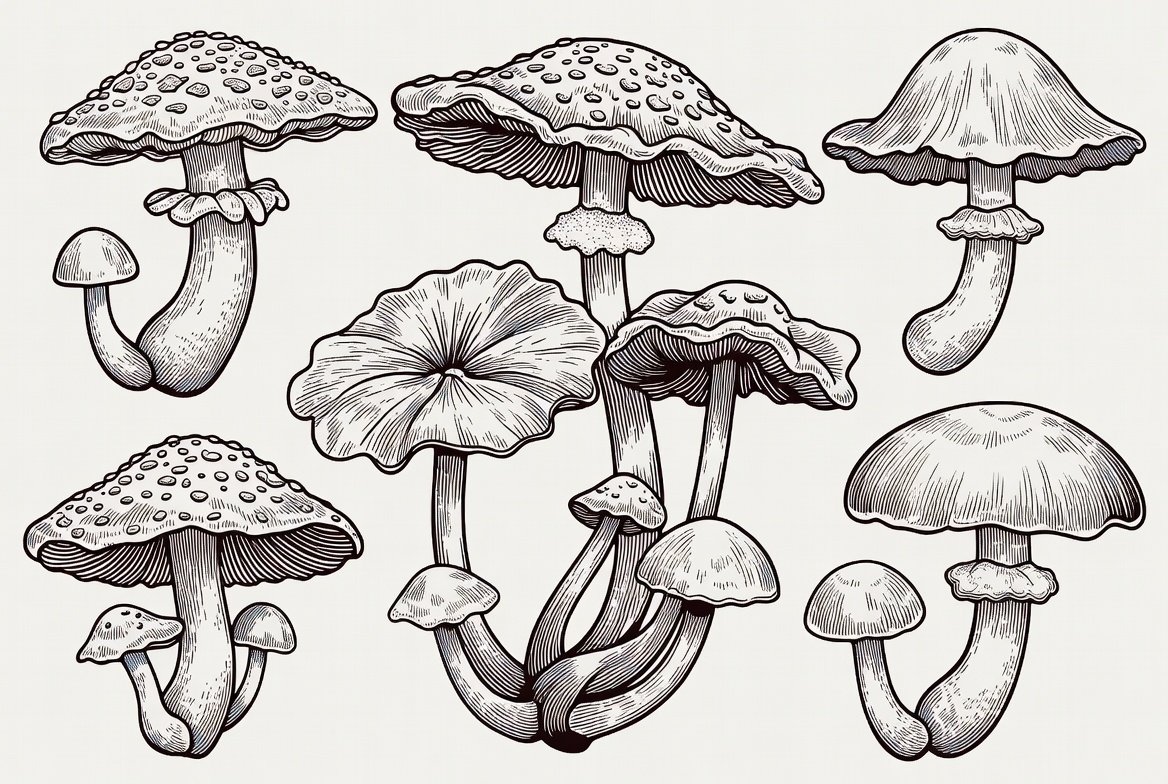
These qualities make mushrooms easy to focus on without mental strain. Unlike complex architectural designs, mushroom illustrations allow the mind to relax rather than concentrate intensely.
Their association with forests and slow growth further reinforces a calm emotional response.
Coloring as a Form of Active Mindfulness
Mindfulness doesn’t require silence or meditation.
Coloring nature scenes is a form of active mindfulness, meaning:
-
The hands stay gently busy
-
The mind focuses on one task
-
Thoughts slow naturally
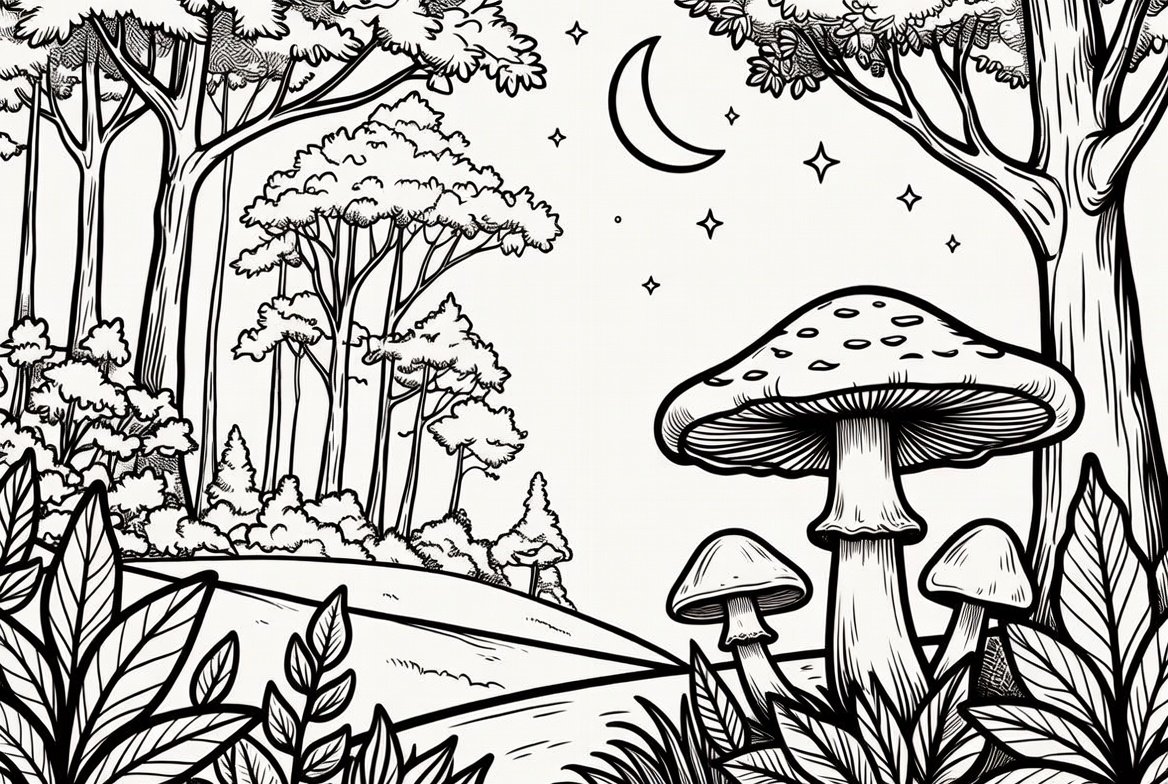
This makes coloring especially helpful for people who struggle with traditional meditation. The forest imagery acts as a visual anchor, keeping attention grounded.
When and How to Use Coloring for Stress Relief
Coloring works best when used intentionally.
Many people find it helpful:
-
In the evening to unwind
-
During short breaks from work
-
As part of a screen-free routine
-
Before sleep to calm the mind
Even 15–20 minutes of coloring a forest or mushroom scene can significantly improve mood and focus.
Why Educational Details Increase Relaxation
Interestingly, combining simple facts with coloring increases engagement.
Short, easy-to-read nature facts:
-
Keep the mind gently curious
-
Prevent intrusive thoughts
-
Add meaning without effort
Learning while coloring creates a balanced mental state—focused, calm, and lightly stimulated.
This combination is especially effective for stress relief because it avoids boredom and overstimulation.
A Gentle Way to Relax and Reconnect
If coloring nature scenes helps you feel calmer, mushrooms and forests offer a particularly soothing starting point.
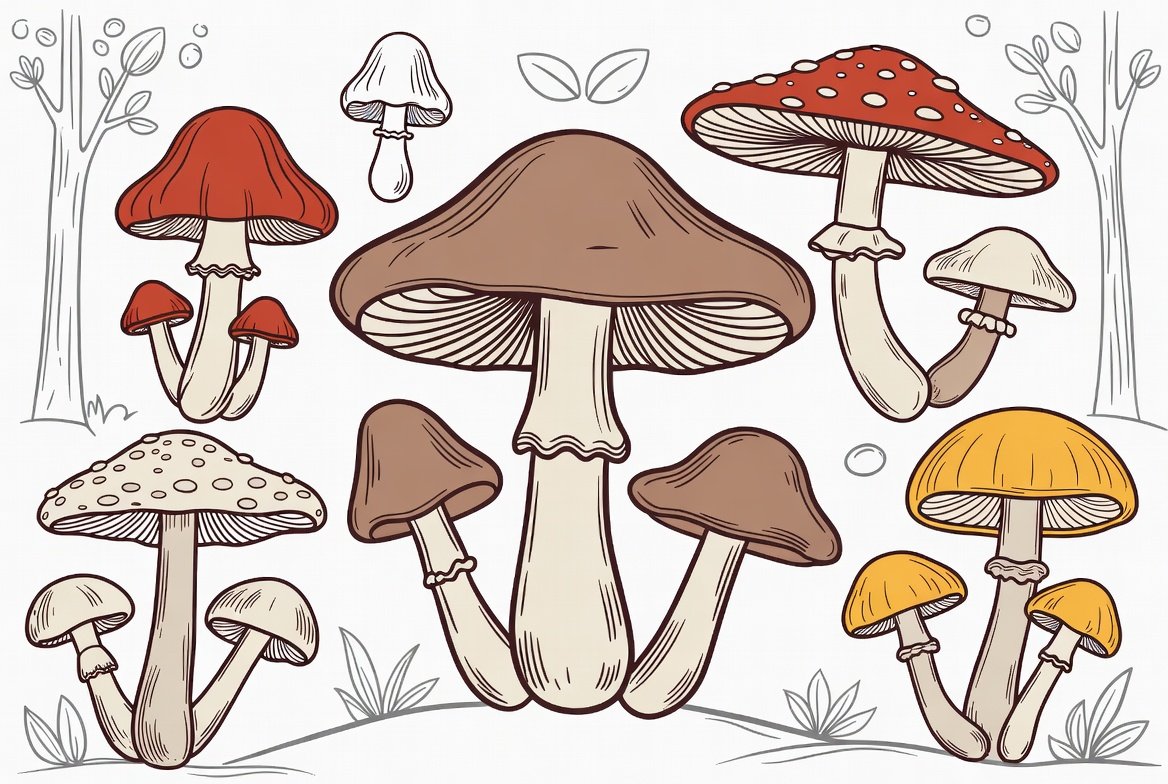
The Mushrooms & Forest Friends Coloring Book for Adults was created to support stress relief through:
-
Hand-drawn forest illustrations
-
Mushrooms as calming focal points
-
Friendly animals and natural textures
-
One simple mushroom fact on every page
It’s designed to slow the mind without effort and bring nature into everyday life.
What’s Next?
In the next article, we’ll explore mushrooms in myth, folklore, and fairy tales—and why they’ve always been linked to imagination and wonder.
Sometimes the best way to relax
is to return to what feels natural.