
Introduction
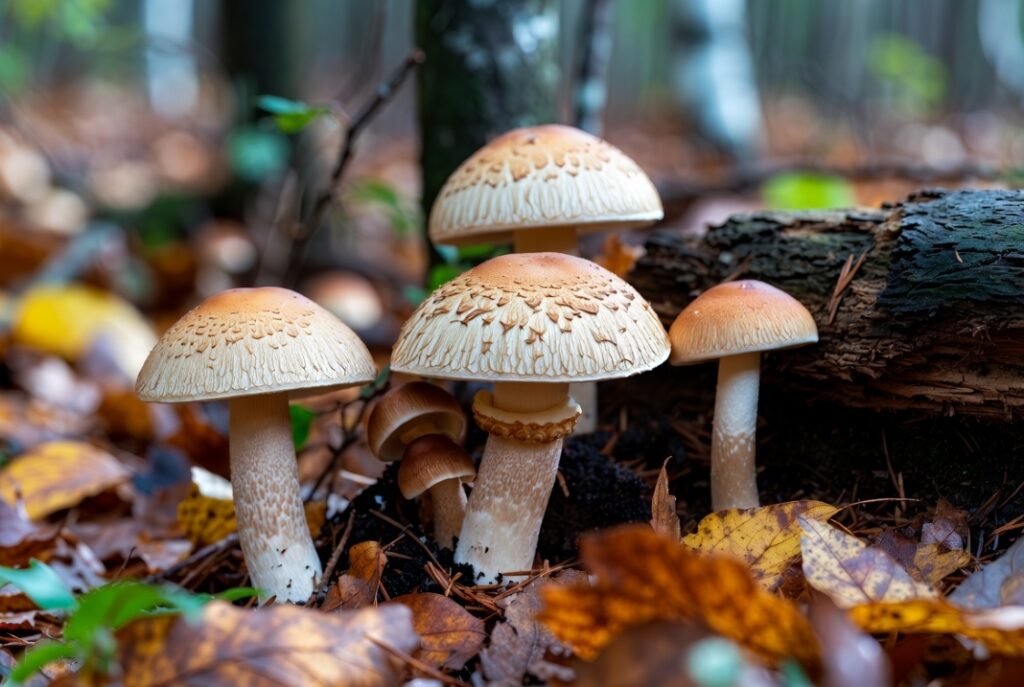
Forests may look quiet on the surface, but beneath the soil lies a complex, living system—and mushrooms are at its heart.
While trees often get the spotlight, mushrooms quietly support almost every aspect of forest life. From nourishing roots to recycling fallen leaves, fungi work behind the scenes to keep ecosystems balanced, resilient, and thriving.
In this article, we’ll explore why mushrooms are essential to forests and why understanding them deepens our appreciation of nature.
Mushrooms: Nature’s Recyclers
One of the most important roles mushrooms play is decomposition.
When leaves fall, branches break, or trees die, mushrooms step in to:
-
Break down organic matter
-
Return nutrients to the soil
-
Prevent forests from being buried under decay
Without fungi, forests would slowly suffocate under their own waste. Mushrooms ensure that nothing is wasted—everything becomes part of a continuous natural cycle.
The Underground Network That Feeds Trees
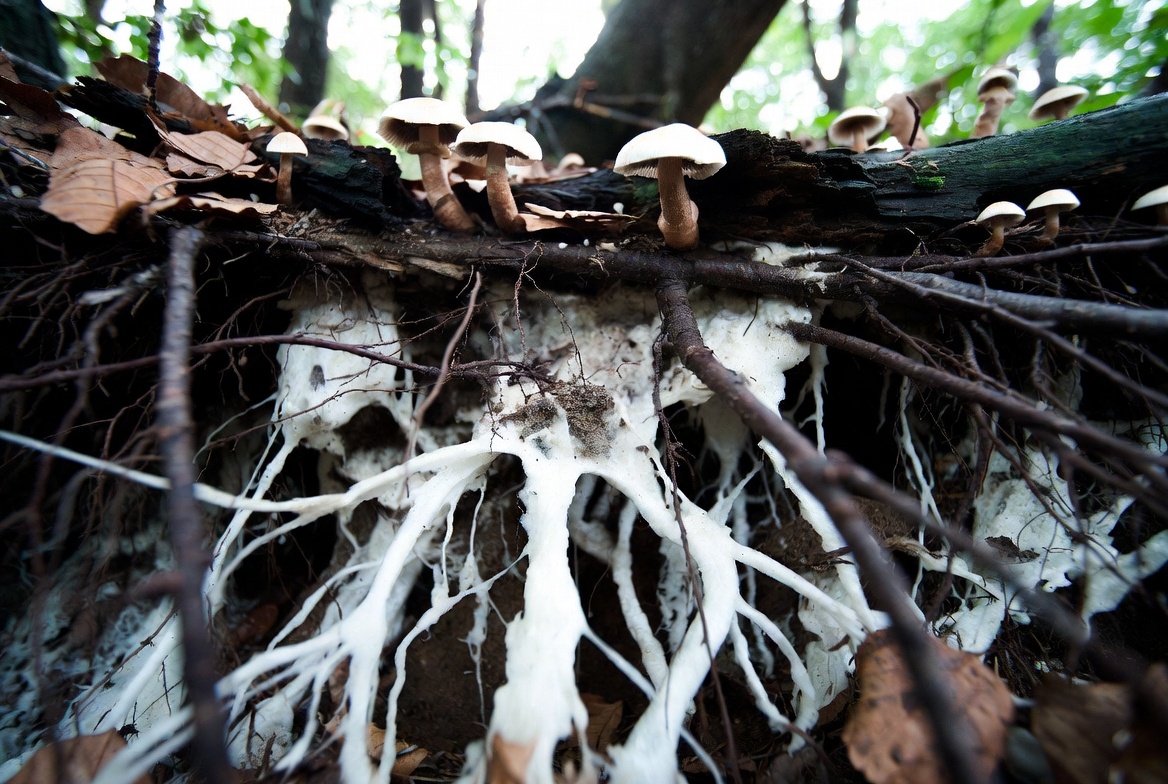
Beneath the forest floor, mushrooms form vast underground networks called mycelium.
These networks:
-
Connect the tree roots together
-
Help trees share nutrients and water
-
Improve resistance to drought and disease
This hidden fungal web acts like a natural support system, allowing forests to function as connected communities rather than isolated plants.
Many scientists describe this system as the forest’s invisible communication network.
Supporting Insects, Animals, and Biodiversity
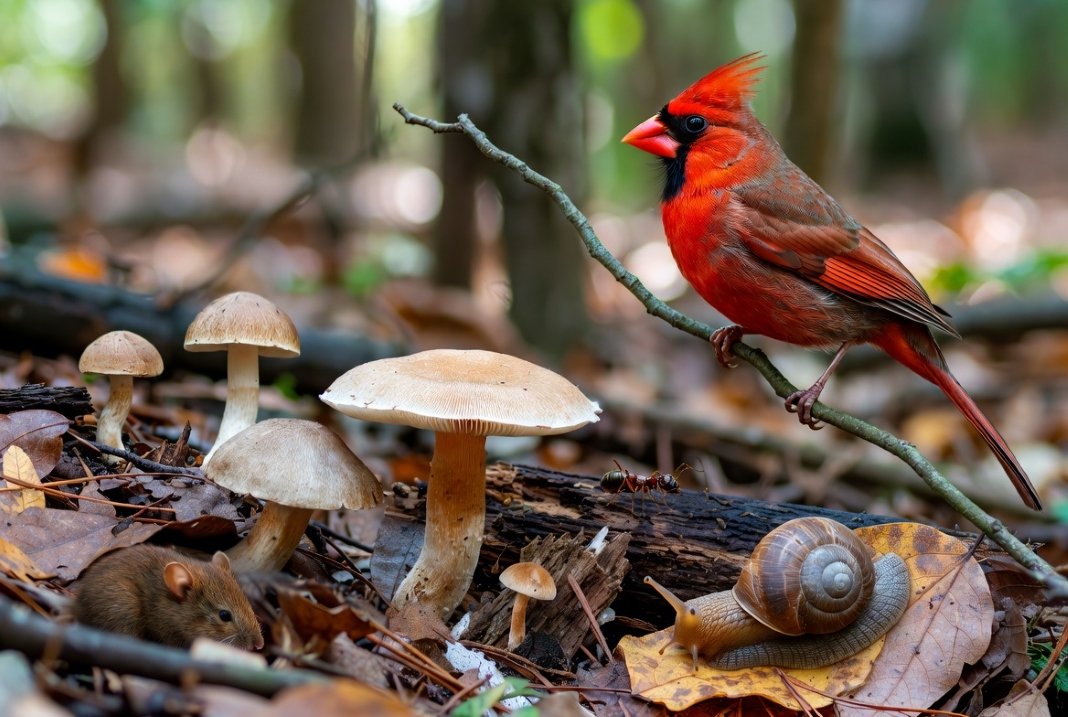
Mushrooms also support a wide range of forest life.
They provide:
-
Food for insects, snails, and small mammals
-
Shelter for tiny forest creatures
-
Nutrient-rich soil for plants and flowers
Many animals—directly or indirectly—depend on fungi to survive. When mushrooms disappear, biodiversity suffers. When fungi thrive, forests flourish.
Mushrooms as Indicators of Forest Health
Mushrooms are also signals.
A forest rich in fungi usually means:
-
Healthy soil
-
Balanced ecosystems
-
Strong plant diversity
When mushrooms vanish, it can indicate pollution, soil damage, or ecological imbalance. In this way, mushrooms quietly tell the story of a forest’s well-being.
Observing mushrooms—whether outdoors or through art—helps us become more attentive to nature’s subtle messages.
Learning to See Forests More Deeply
Understanding the role of mushrooms changes how we see forests.
What once looked like a simple landscape becomes a living collaboration of:
-
Trees
-
Fungi
-
Animals
-
Soil
-
Time
This deeper awareness is one reason mushroom-themed illustrations feel so grounding. Coloring forest scenes invites us to slow down and notice the relationships that usually go unseen.
A Gentle Connection to Creativity
If you enjoyed discovering how mushrooms support forest life, there’s a quiet way to continue exploring these ideas.
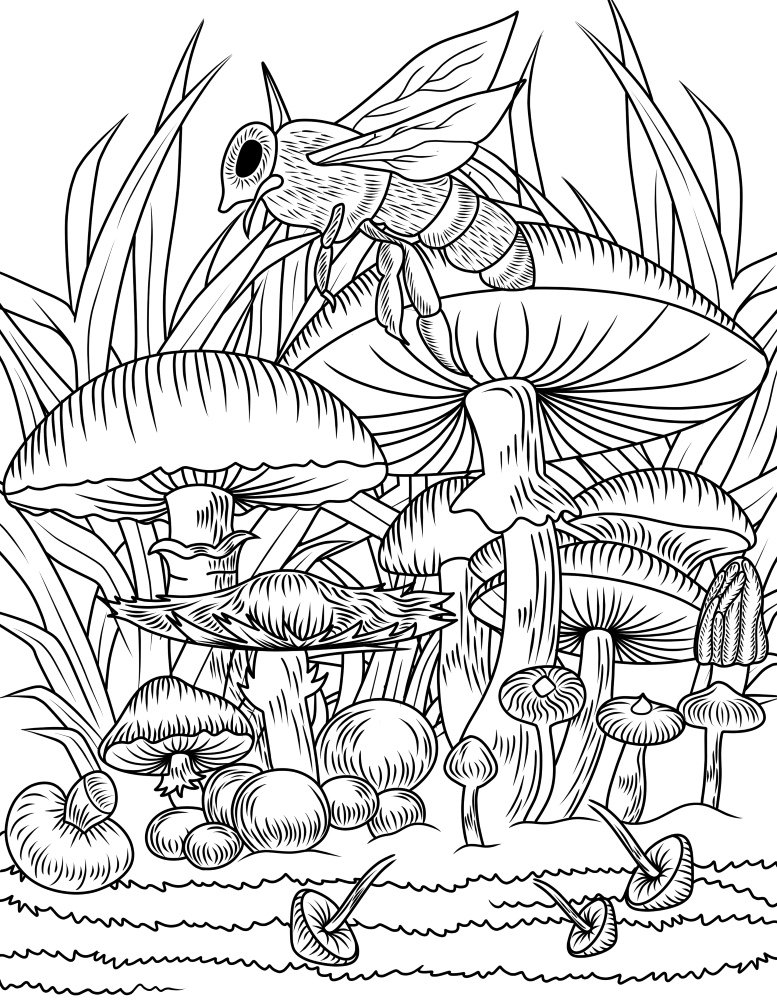
The Mushrooms & Forest Friends Coloring Book for Adults brings these forest relationships to life through:
-
Hand-drawn woodland scenes
-
Mushrooms as central elements
-
Gentle forest animals
-
A unique mushroom fact on every page
It’s designed to help you experience forests not just intellectually—but creatively and mindfully.
What’s Next?
In the next article, we’ll explore beginner-friendly mushroom facts that feel almost magical—and surprisingly easy to remember.
Forests reveal their secrets slowly.
Mushrooms lead the way.
Previous article: The Magical World of Mushrooms Explained Simply
Pingback: Beginner-Friendly Mushroom Facts That Feel Like Magic - Florin Stanciu
Pingback: Why Mushrooms Inspire Artists and Illustrators - Florin Stanciu